
Introduction
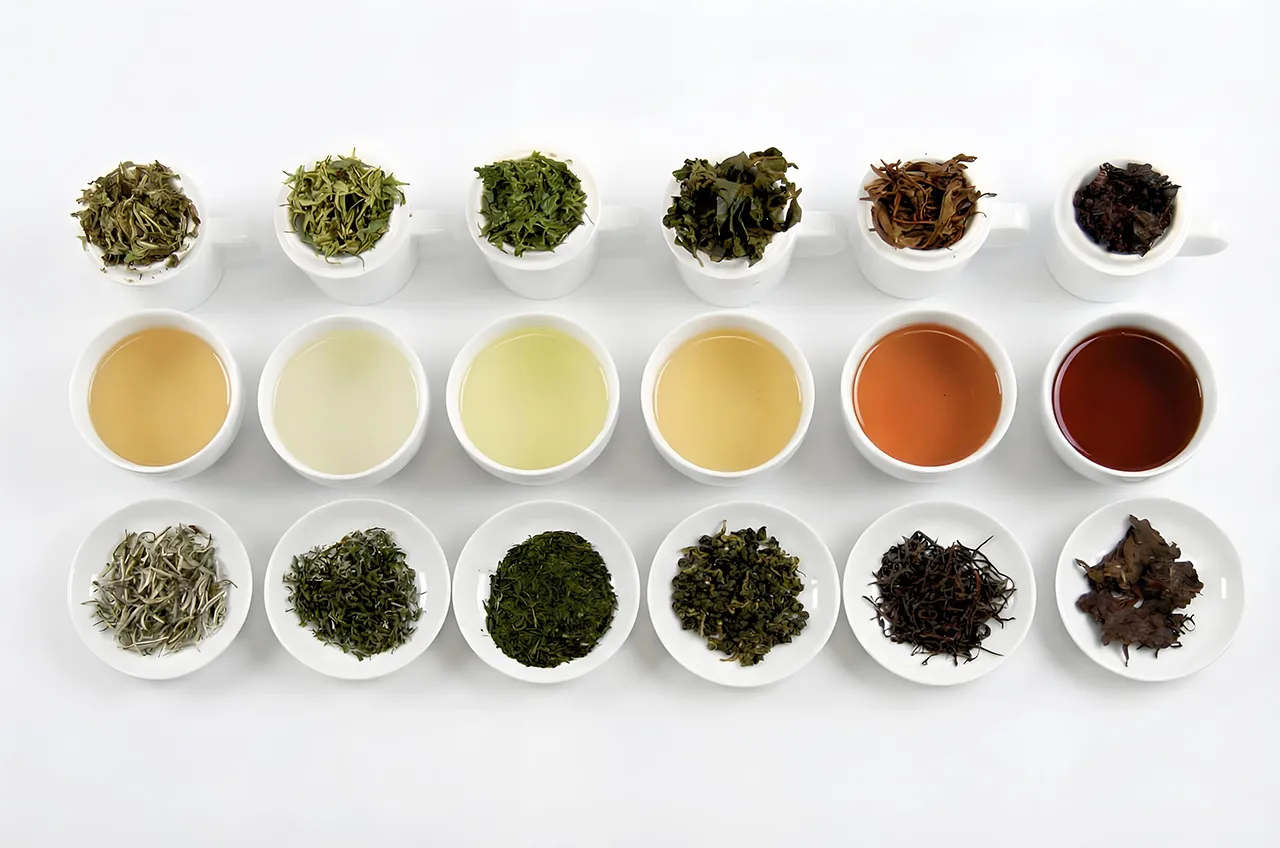
RTD (ready-to-drink) tea beverages are made by extracting tea leaves (or using tea concentrates and tea powders) to capture the taste and color of brewed tea. One of the first things people notice is the tea liquor color—the color of the drink in the bottle or cup. This color comes from natural pigments in tea leaves, and it can change during processing and shelf-life storage.
What Are the Color-Contributing Substances in Tea?
Tea pigments can be broadly grouped into lipid-soluble pigments and water-soluble pigments. In general:
- Lipid-soluble pigments mainly affect the dry leaf appearance and the color of the infused leaves (after brewing).
- Water-soluble pigments largely determine the color of the tea liquor (the brewed infusion / tea drink).
Lipid-Soluble Pigments: Chlorophyll and Carotenoids
Chlorophyll and its degradation products
Fresh tea leaves contain chlorophyll at roughly 0.3%–0.8% of dry weight, though the total amount varies by cultivar, season, and leaf maturity. Chlorophyll and its breakdown products are key contributors to green tones in tea-related materials.
Carotenoids
Carotenoids range from yellow to orange-red. In tea leaves, researchers have identified 17 carotenoid compounds, commonly grouped into carotenes and xanthophylls.
Water-Soluble Pigments: Polyphenol-Derived Colors and More
Water-soluble pigments in tea liquor mainly include:
- Oxidation products of catechins:
Theaflavins (yellow)
Thearubigins (red)
Theabrownins (brown) - Flavonoids (yellow to yellow-green)
- Anthocyanins (may appear depending on raw materials)
Because catechins, flavonoids, and anthocyanins all belong to the broader group of tea polyphenols, polyphenolic compounds are considered the primary contributors to tea liquor color.
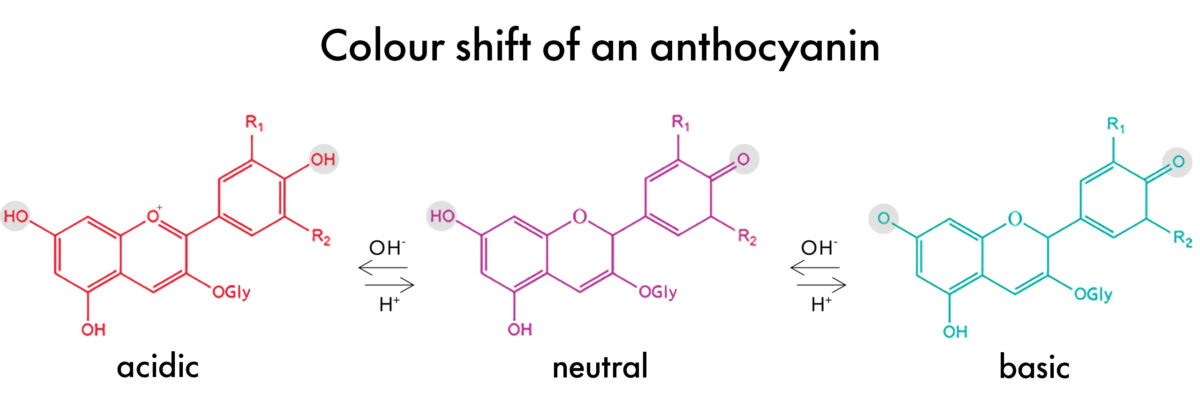
Anthocyanin color behavior (pH-dependent)
If anthocyanins are present in the tea drink:
- Acidic conditions: red
- Neutral conditions: colorless or purple
- Alkaline conditions: blue
Tea Types and Their Main Pigments in Liquor Color
Green Tea
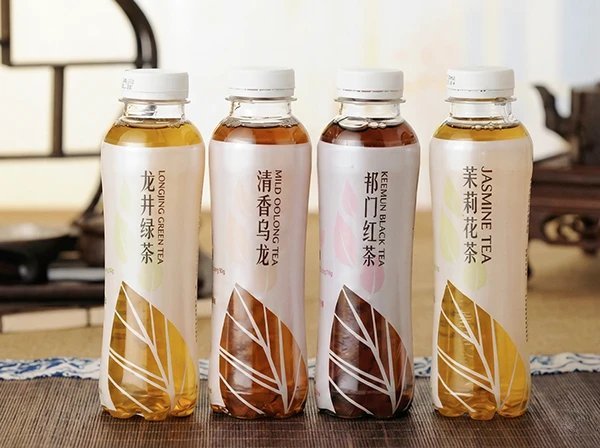
Green tea liquor color is mainly influenced by flavonols/flavonoids and a small amount of chlorophyll. Since flavonoids often appear yellow, yellow-green, or green, green tea infusions typically look yellow-green to green (Figure 1).
Jasmine Tea (Scented Tea)
Jasmine tea is commonly made using green tea as the base. During scenting, some polyphenols and chlorophyll in the base tea may undergo partial oxidation, making the liquor appear slightly more yellow (Figure 2).
Figure 1
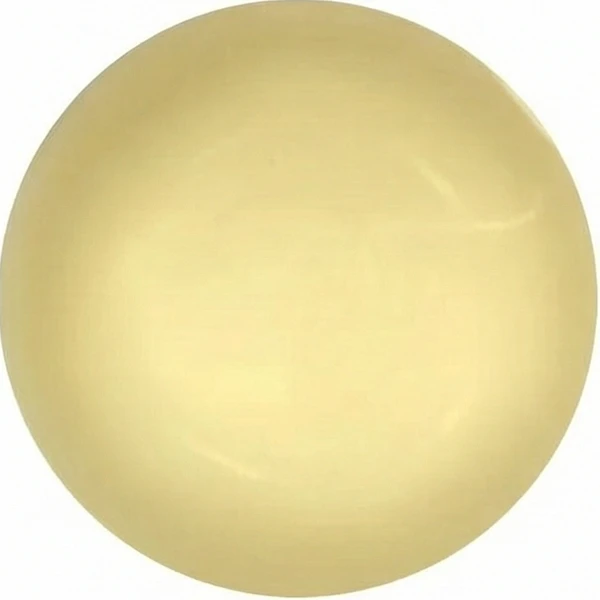
Figure 2
Oolong Tea
During initial processing, the activity of polyphenol oxidase and peroxidase increases, driving catechin oxidation and forming theaflavins, thearubigins, and theabrownins. Because oolong fermentation levels vary, the relative proportions of these pigments differ—so liquor color varies:
- Lightly fermented oolong: closer to green tea, green-yellow (Figure 3)
- Heavily fermented oolong: closer to black tea, bright yellow with a reddish tone (Figure 4)
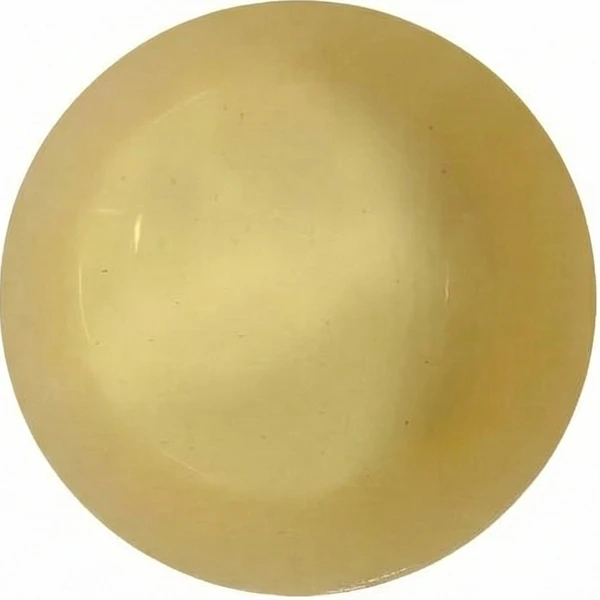
Figure 3
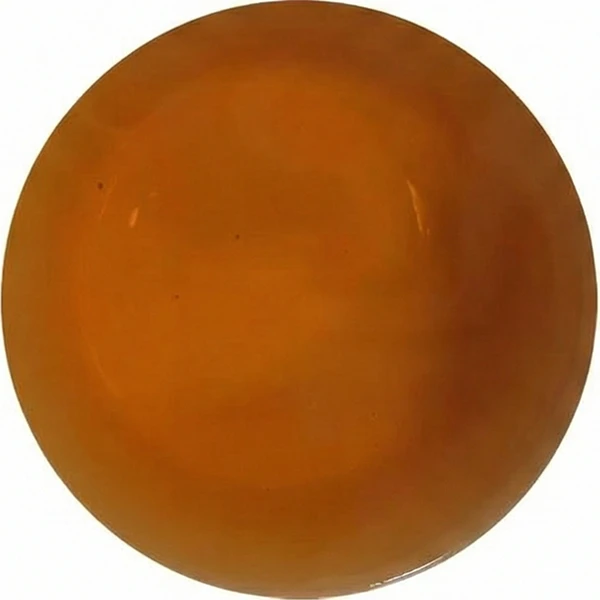
Figure 4
Black Tea
Black tea is fully fermented and typically shows a bright red liquor (Figure 5). Its main color contributors are thearubigins, theaflavins, and theabrownins.
- Higher theaflavin levels generally improve brightness and give a more golden appearance.
- Excess thearubigins or a low theaflavin-to-thearubigin ratio can make the liquor darker and duller.
- Excess theabrownins can also make the liquor look dim/dark.
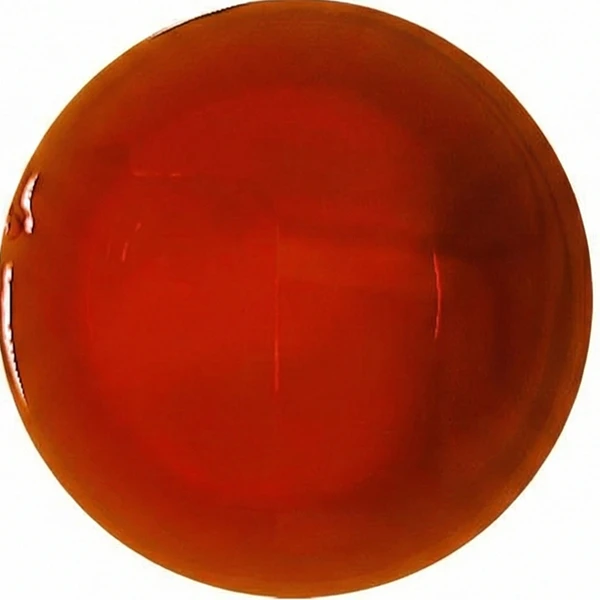
Figure 5
Why Tea Beverages Darken During Shelf-Life Storage
During storage, RTD tea and tea beverages often show progressive darkening. Two major drivers are:
Oxidation of tea polyphenols
Tea polyphenols can oxidize into colored polyphenolic pigments, deepening liquor color. The oxidation pathway can be summarized as:
Tea polyphenols → o-quinones → theaflavins → thearubigins → theabrownins
Among them, theabrownins are considered the final oxidation products. Theaflavins and thearubigins are relatively unstable—especially theaflavins, which can be further oxidized into theabrownins under oxygen and high-temperature conditions, contributing to browning.
Degradation of chlorophyll
Chlorophyll is also unstable. Heating can cause it to degrade and fade. Under acidic conditions, magnesium ions in chlorophyll can be replaced by hydrogen ions, forming pheophytin (a brown pigment), which contributes to browning. Even though chlorophyll may be present at low levels in tea liquor, it can still play a meaningful role in the color of green tea-based beverages.
Which Tea Drinks Tend to Change More in Color?
- Green tea drinks, jasmine tea drinks, and lightly fermented oolong drinks often show more noticeable darkening during shelf life, due to relatively higher levels of catechins and chlorophyll.
- Heavily fermented oolong drinks and black tea drinks generally show less apparent darkening, because chlorophyll has largely degraded during processing and catechins have already been oxidized to a higher extent.
If you are developing tea beverages using tea extracts or tea powders and want more predictable color performance across production and shelf life, we can share ingredient specifications and application insights for different tea bases. Feel free to contact us for samples or technical discussions.
FAQ
Q1. Why does a tea beverage become darker during storage?
Color deepening is mainly linked to polyphenol oxidation and the instability of chlorophyll, especially under oxygen exposure and elevated temperature conditions.
Q2. Which tea bases show larger color changes over shelf life?
Green tea and lightly fermented oolong tea drinks tend to change more, while heavily fermented oolong and black tea drinks often show smaller visible shifts.