
Matcha Bottle Caps and the Rise of Interactive Portable Drinks
At the beginning of 2026, a bottle cap manufacturer reportedly received a large order from Poland for 360,000 matcha-filled caps. At first glance, it looks like a small packaging novelty, but for beverage brands, it may signal a new way to deliver powdered drinks in a more portable and interactive format.
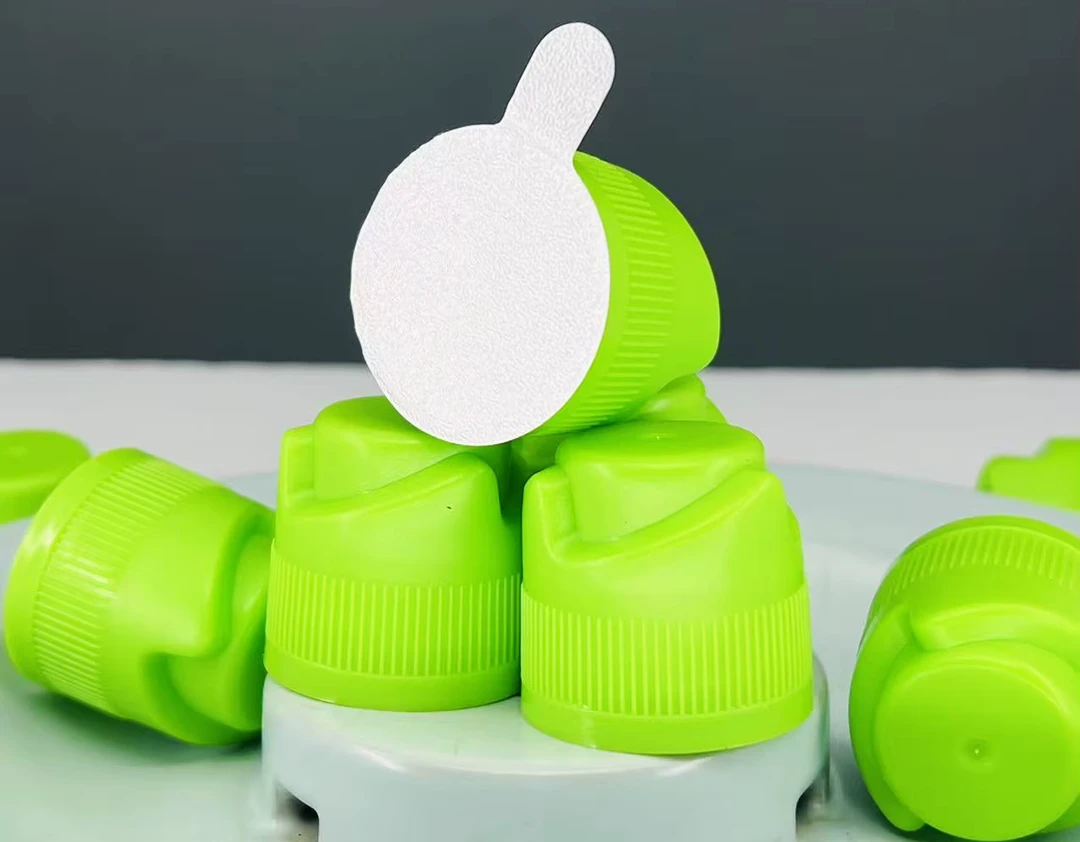
This is not an ordinary bottle cap. Inside the cap is matcha powder sealed for later use. Once the membrane is removed and the cap is fitted onto a matching bottle of water, a few shakes can turn clear water into a bright green matcha drink within seconds. The concept is simple, but its commercial potential is hard to ignore.
See How a Matcha Bottle Cap Works
SWITEA DEMONSTRATION
The matcha bottle cap shown here is available from Switea and is separate from the branded product examples discussed earlier in this article.
Watch how matcha powder is released, mixed with water and prepared as a portable drink in just a few steps.
A matcha bottle cap typically combines a standard bottle closure with a separate chamber designed to hold powdered ingredients until use. The format requires the storage chamber, sealing structure and release mechanism to work together while remaining compatible with the intended bottle.
Although specific designs may vary, the basic principle is the same: keep the powder separated from the liquid until the consumer is ready to prepare the drink.
Why This Format Matters for Beverage Brands
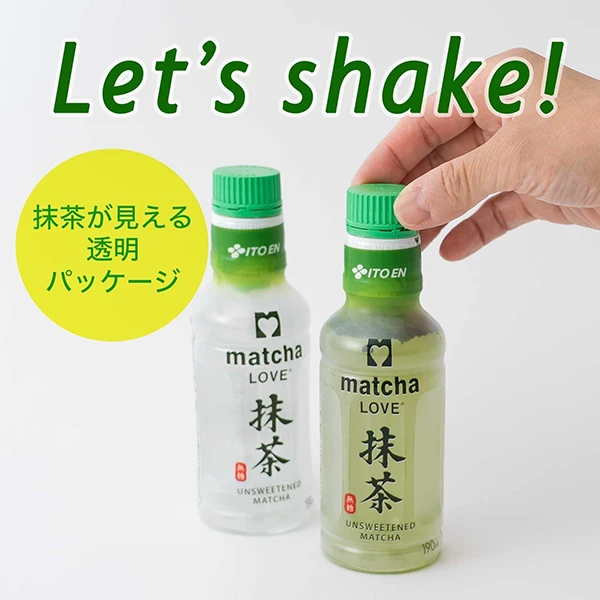
For beverage brands, this new format offers a cleaner and more intuitive user experience. Instead of tearing open a sachet and pouring powder into a bottle or cup, consumers can simply twist, shake and drink. This small change makes the product easier to use while also adding a stronger sense of interactivity.
Matcha may be the most striking example, but the concept is highly versatile. By applying it to products such as fruit powders, probiotic blends and instant coffee, brands can open up a new range of portable, experience-driven drink concepts. This strategy is especially well suited to active settings such as gyms, tourist destinations and busy office environments, where convenience, freshness and visual appeal are key to winning repeat purchases.
What Beverage Brands Should Watch

Of course, novelty alone is not enough. For this format to scale, brands and manufacturers still need to consider cost, filling efficiency, sealing performance, powder stability, bottle compatibility and real consumer acceptance across different markets.
Even so, the broader signal is clear. Beverage innovation is no longer only about new flavors or cleaner labels. New packaging and delivery formats can also change how powdered ingredients are stored, activated and consumed.
For matcha and other powdered beverage ingredients, the rise of bottle-cap formats suggests a new direction worth watching. A small cap may seem like a minor detail, but in the right hands, it can become a new product category, a marketing tool and a fresh entry point for beverage
innovation.
If you are exploring new matcha or powdered beverage concepts for on-the-go use, our team can support you with ingredient selection, application ideas and product development discussion. Feel free to contact us for samples or technical consultation.