
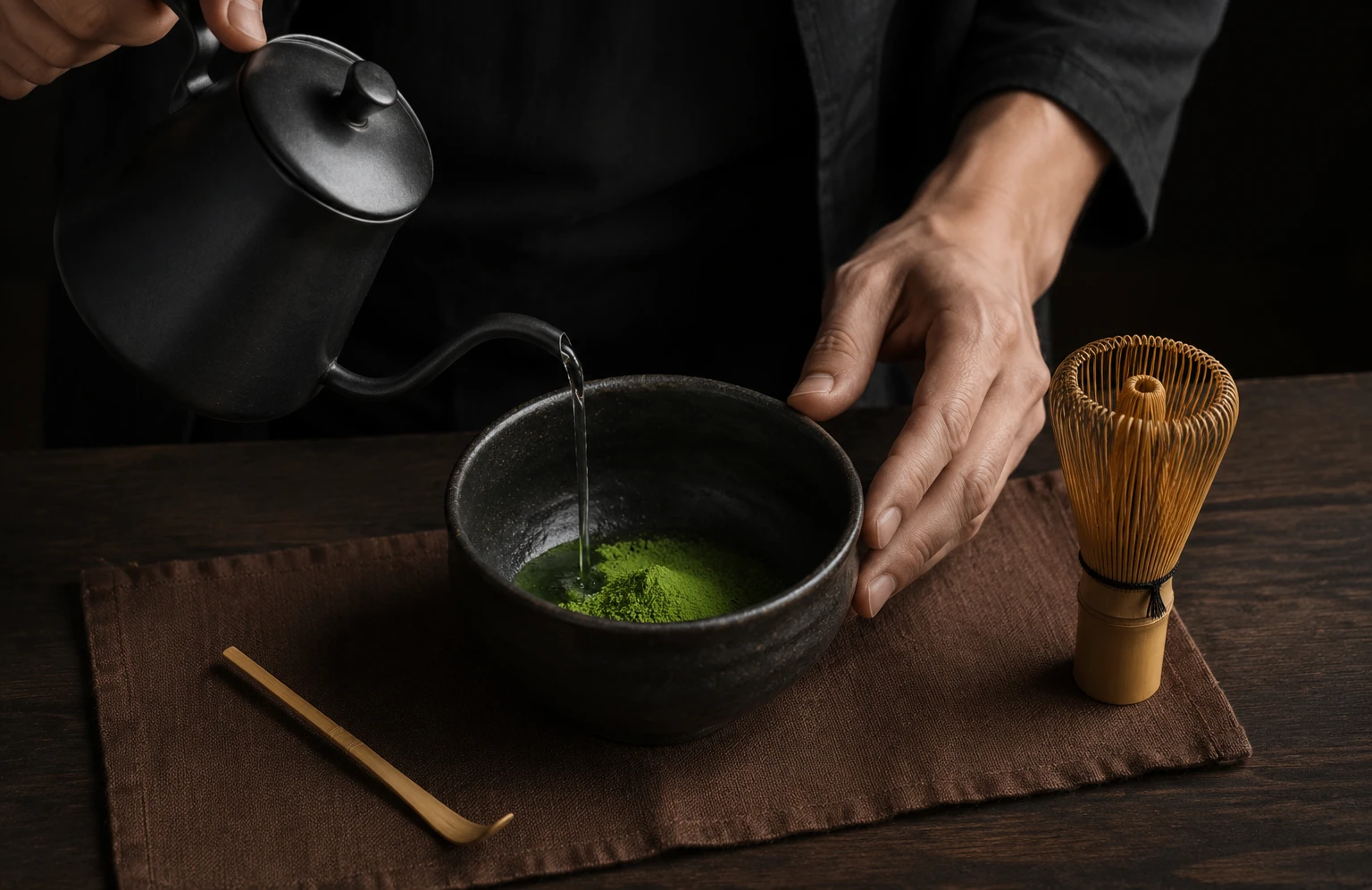
In our previous article, we introduced the basic tools used to make matcha. In this guide, we explain step by step how to make Japanese-style whisked matcha in the form of usucha, or thin tea.
Although a bowl of matcha may look simple, the result is influenced by several variables, including the amount of powder, water volume, water temperature, and whisking technique. Water that is too hot can bring bitterness and astringency to the foreground. Unsifted matcha may leave stubborn clumps, while improper use of the bamboo whisk can affect both dispersion and surface foam.
What Do You Need Before Making Matcha?
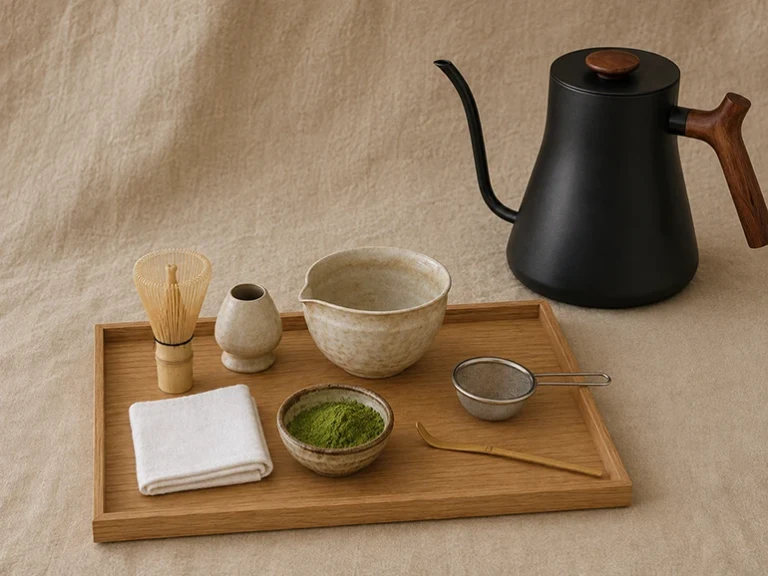
For a simple starting recipe, prepare:
- Matcha powder: about 2 g
- Hot water: about 60 mL (2 fl oz)
- Water temperature: about 80°C (176°F)
- Whisking time: about 15 seconds
- Tools: a matcha bowl or suitable wide bowl, bamboo whisk, fine sifter, bamboo scoop or digital scale, and a clean, dry tea towel
This is an approachable ratio for beginners. Ippodo Tea’s classic matcha recipe also uses 2 g of matcha, 60 mL of water at 80°C, and approximately 15 seconds of vigorous whisking. Other producers recommend slightly different parameters. For example, the Marukyu Koyamaen preparation guide suggests approximately 1.5 g of matcha, 70 mL of water, and a temperature of 75–85°C (167–185°F).
Step 1: Boil the Water, Then Let It Cool
Bring the water fully to the boil before cooling it to the desired temperature. For most basic matcha preparations, approximately 80°C is a manageable starting point.
Compared with using boiling water immediately, a moderately lower temperature can make it easier to preserve matcha’s fresh character without bringing excessive bitterness to the foreground.
Water quality also affects the final flavor. Clean-tasting, relatively soft water is generally well suited to matcha. If your tap water has a noticeable chlorine odor, consider using filtered water or boiling it in an open vessel for a short time before allowing it to cool.
Step 2: Warm the Bowl and Soften the Bamboo Whisk
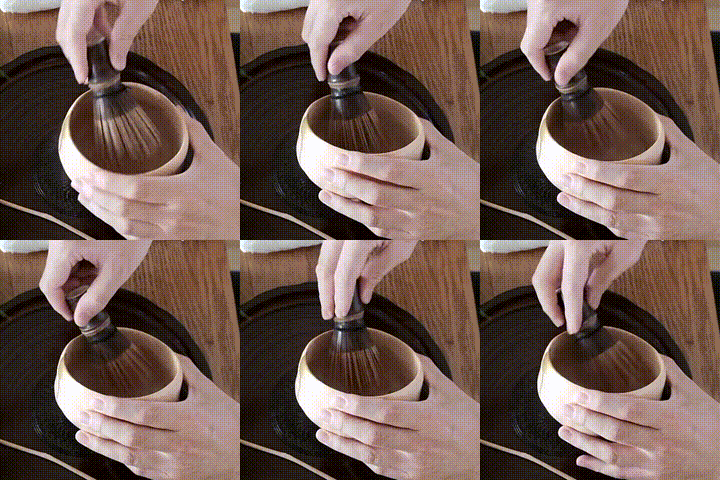
Pour some hot water into the bowl, then place the tips of the bamboo whisk in the water and gently move them through it.
This serves two purposes. First, it warms the bowl so that the water temperature does not fall too quickly during preparation. Second, it allows the dry bamboo tines to absorb a small amount of water and regain flexibility, reducing the likelihood of breakage or deformation during whisking.
The whisk does not need to soak for long. Avoid submerging the bamboo handle or the binding area. Once the tines have relaxed and opened slightly, remove the whisk and discard the water.
Step 3: Dry the Bowl Thoroughly
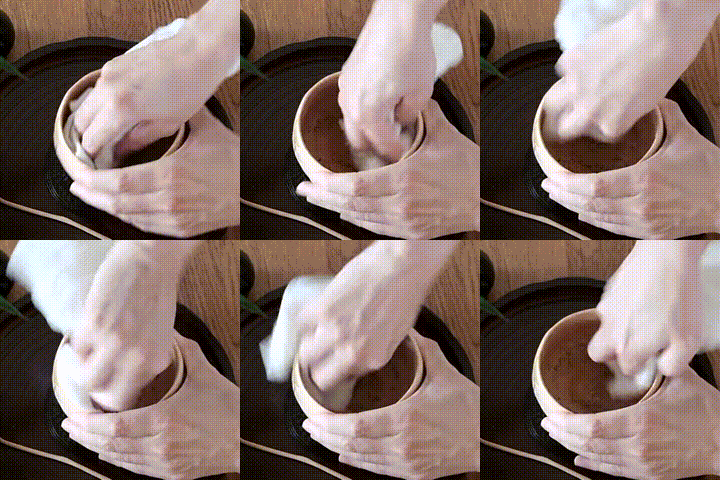
After warming the bowl, use a clean, dry tea towel to wipe the inside and base completely dry.
This step is easy to overlook, but residual droplets can affect sifting and measuring. When fine matcha powder touches water, it immediately sticks and forms damp clumps that are harder to disperse evenly.
While drying the bowl, check the interior for rough projections or foreign particles that could catch the delicate bamboo tines during whisking.
Step 4: Measure and Sift the Matcha
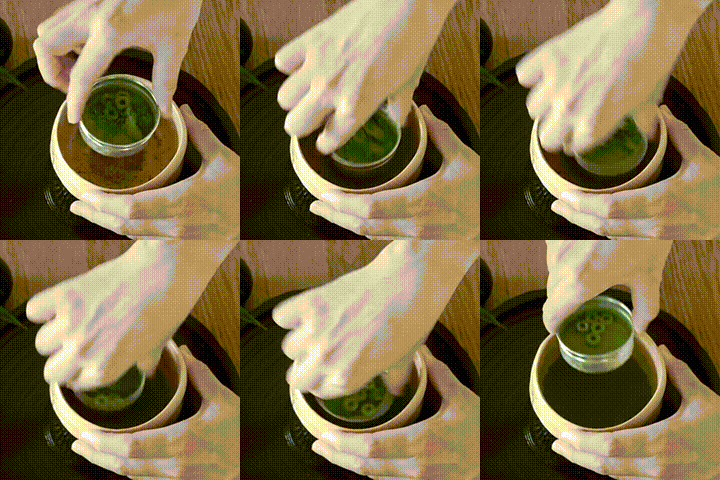
Measure approximately 2 g of matcha and sift it through a fine mesh directly into the dry bowl.
Matcha particles are extremely fine and can form small clumps during storage and handling because of moisture, static electricity, and compression. Sifting restores a lighter, more even powder bed, helping the matcha disperse more readily in water and reducing graininess in the finished tea.
Step 5: Add the Hot Water
Add approximately 60 mL of water at about 80°C to the bowl.
For the Ippodo-based recipe used in this guide, the full 60 mL can be added at once before whisking. This should not be treated as a universal rule for every Japanese tea tradition or preparation method, as practices can differ among schools and contexts.
Pour gently enough to avoid scattering dry powder or washing it high onto the sides of the bowl. Once the water has been added, begin mixing promptly so you can experience the aroma and texture of the matcha soon after preparation.
Step 6: Mix First, Then Whisk Quickly
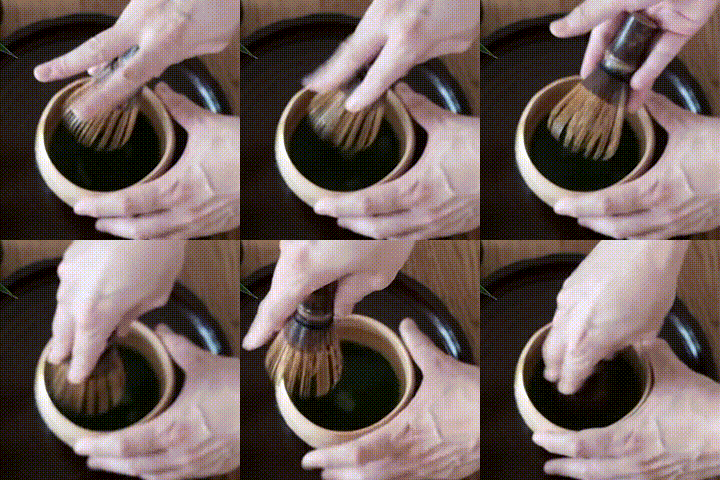
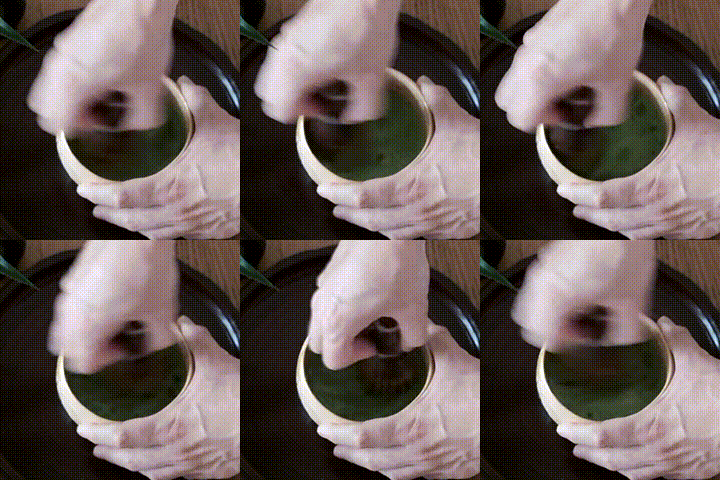
Hold the bamboo whisk securely without gripping it too tightly. Begin with small, gentle movements to combine the matcha at the bottom of the bowl with the water. Once no large pockets of dry powder remain, move into a faster whisking motion.
Whisk briskly back and forth rather than slowly stirring in circles. You can imagine the wrist tracing a rapid “M” or “W” shape. Marukyu Koyamaen likewise advises moving the whisk vigorously back and forth instead of simply swirling the liquid around the bowl.
The movement should come mainly from the wrist; the whole arm does not need to swing widely. Let the tips of the whisk travel quickly through the liquid without pressing them hard against the base or scraping the sides. Excessive pressure restricts movement and can wear, bend, or break the fine bamboo tines.
For a first attempt, use about 15 seconds as a reference. A light, quick, and steady action matters more than simply whisking for longer.
Step 7: Refine the Foam and Lift the Whisk
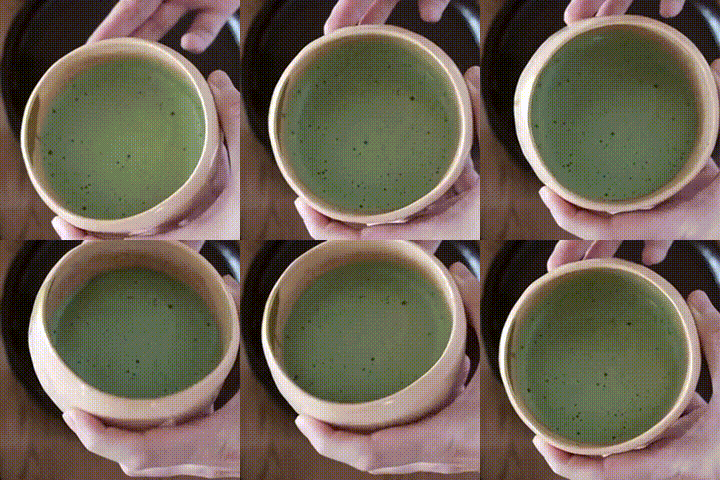
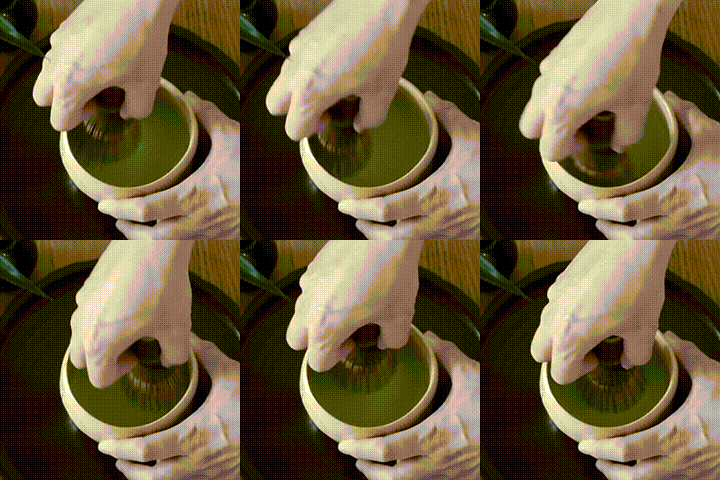
Once the matcha is evenly dispersed and a layer of fine foam has formed, gradually slow the movement. Raise the whisk slightly and move it gently across the surface.
This helps break up larger bubbles and makes the foam more even. You can then guide the whisk slowly around the inside of the bowl and lift it gently from the center, leaving the surface relatively smooth and gathered toward the middle.
Foam volume is not the only measure of a successful bowl of matcha. More important than completely covering the surface is achieving even dispersion without obvious clumps or a noticeably coarse, powdery texture.
Drink the Matcha Soon After Whisking
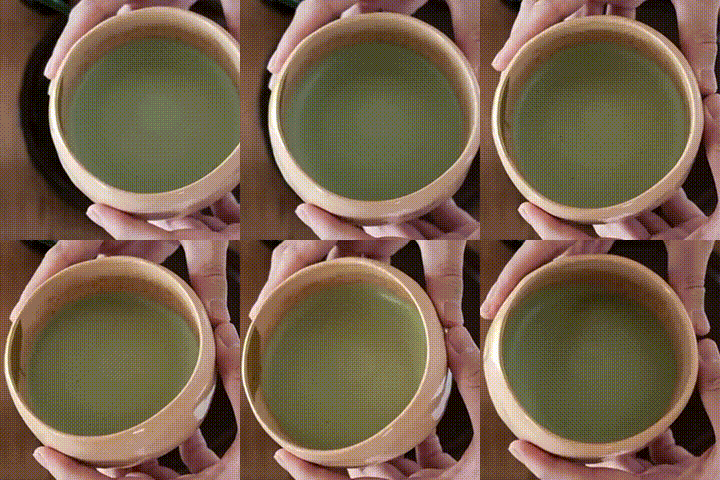
Unlike sugar or instant tea powder, matcha does not truly dissolve in water. Its fine particles are dispersed and temporarily suspended throughout the tea. If left to stand, some particles will gradually settle, while the foam and aroma will also change.
Matcha is therefore best enjoyed soon after whisking. If it rests briefly and develops slight sediment, gently swirl the bowl before drinking; there is no need to whisk it vigorously for a second time.
Beyond Usucha: What Is Koicha?
Besides usucha, Japanese matcha has another distinctly different preparation style: koicha, or thick tea. In our next article, we will explain how usucha and koicha differ in powder-to-water ratio, preparation technique, finished consistency, and matcha selection.
For beverage brands, foodservice chains, and food product development teams, preparation parameters are also an important part of evaluating matcha ingredients. The same matcha can present different color, aroma, bitterness, and body at different powder-to-water ratios, temperatures, and within different formulations.
Switea supplies matcha powder for food and beverage applications. Contact us to discuss samples, specifications, and B2B quotation requirements.